
Gold finished above the previous Friday’s price, but getting there was anything but a straight line. For October 5–9, the more revealing GTMO story was how early target progress gave way to losses, changing exposure and difficult re-entries—and how Friday ended with three targets reported after a second buy swung repeatedly between gains and losses.
That finish deserves its place in the headline. So do the setbacks that came before it. A comeback in one sequence is not an audited profitable week, and the public feedback did not show identical results for every follower.
Want to follow the explanations rather than isolated winning screenshots? Read the public @GTMO channel, or message @GTMOBest for free gold signals and access support. This is Gold Trader Mo’s own retrospective of the completed week—not a live entry instruction or an independent account audit.
Weekly Market Overview#
The weekly price path had three distinct beats: an early rise, Wednesday’s drop, and a Friday rebound that left gold higher than the preceding Friday. The trading record had a different rhythm: target-taking early in the week, a loss and renewed buy on Wednesday, a limited sell outcome on Thursday, and Friday’s loss followed by a volatile second buy.
The distinction matters. A higher market price at the end of the week tells us nothing by itself about the profit of a strategy that entered, reduced exposure and exited at different times.
| Weekly gold reference | October 5–9, 2026 |
|---|---|
| Previous Friday’s historical price, October 2 | $4,142.96 per ounce |
| Friday’s historical price, October 9 | $4,194.46 per ounce |
| Change between those Friday references | +$51.50 per ounce, approximately +1.24% |
| Highest reported daily high in this week’s table | $4,207.69, Friday |
| Lowest reported daily low in this week’s table | $4,066.06, Wednesday |
These references come from the dated daily rows in Investing.com’s XAU/USD historical table, checked on October 10. They are indicative spot-feed observations, not an exchange settlement, an official gold fixing or prices at which followers necessarily traded. The source does not state an exact daily cutoff, and its header quote differs from its historical row; this recap uses the dated rows consistently.
The earlier Daily reports used their own dated market observations. In particular, Friday’s OANDA snapshot was taken while the market was open, and Thursday’s reference was an OANDA broker daily bar. Neither has been silently converted into this series’ Friday closing reference. The approximately 1.24% change above is the market’s Friday-to-Friday move, not GTMO’s trading return.
The Turning Point Was Not Just a Price Rebound#
Early in the week, target progression created momentum in the channel. Monday’s first buy was eventually reported through five target stages. Tuesday’s recap followed staged exits and protection across two buy sequences. It would have been easy to turn those messages into a story of effortless continuation.
Wednesday broke that simple narrative. An early buy produced two reported targets, but another buy went into difficulty. Mo moved the loss limit farther away before cutting the trade. A renewed buy then produced four reported targets, with remaining positions later reaching breakeven. The October 7 report preserves all three parts, including the loss.
Thursday made the limitation clearer: a sell could report targets without completing the full planned ladder. Friday then supplied the week’s most vivid contrast—an initial cut, explanation and waiting, followed by a second buy that kept changing color before the final three-target summary.
That is the real weekly story: progress, pressure and reported comebacks, with decisions in between. The dated price table establishes the market path. It does not establish a particular news event as the cause, so this recap does not attach an unverified geopolitical or central-bank explanation to the move.
Weekly Performance Snapshot#
The completed Monday–Friday window contains five active sessions. Their outcomes are best understood as distinct sequences, not one cumulative profit figure.
| Session | Strongest supported outcome | What must stay beside it |
|---|---|---|
| Monday, October 5 | First buy reported through five target stages | Later entries had different management and exits |
| Tuesday, October 6 | Two buy sequences in the Daily recap, with staged targets and reported extensions | Reported price-distance results are not a combined cash return |
| Wednesday, October 7 | Early two-target move; acknowledged loss; later four-target rebound | The day’s net account result was not established |
| Thursday, October 8 | One public sell reported two targets, then remaining entries at breakeven | Its stop had first been widened; not every planned target was reported hit |
| Friday, October 9 | First buy cut; second buy ended with three targets reported | Members described different degrees of recovery |
No win rate or net weekly profit is presented. The selected screenshots are not complete account statements, and neither adding reported targets nor converting price-distance labels into dollars would fix that gap.
Best Trades and Recovery Moments#
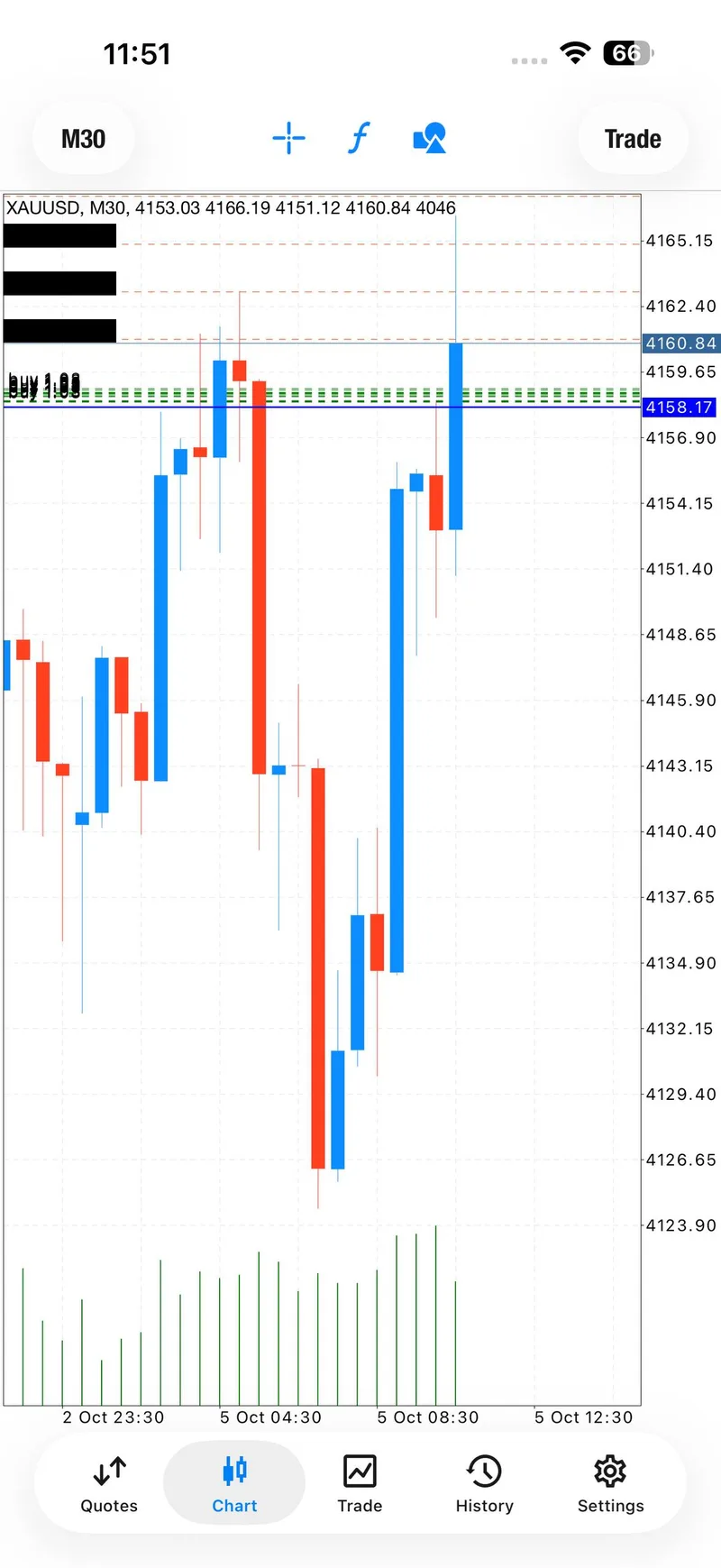
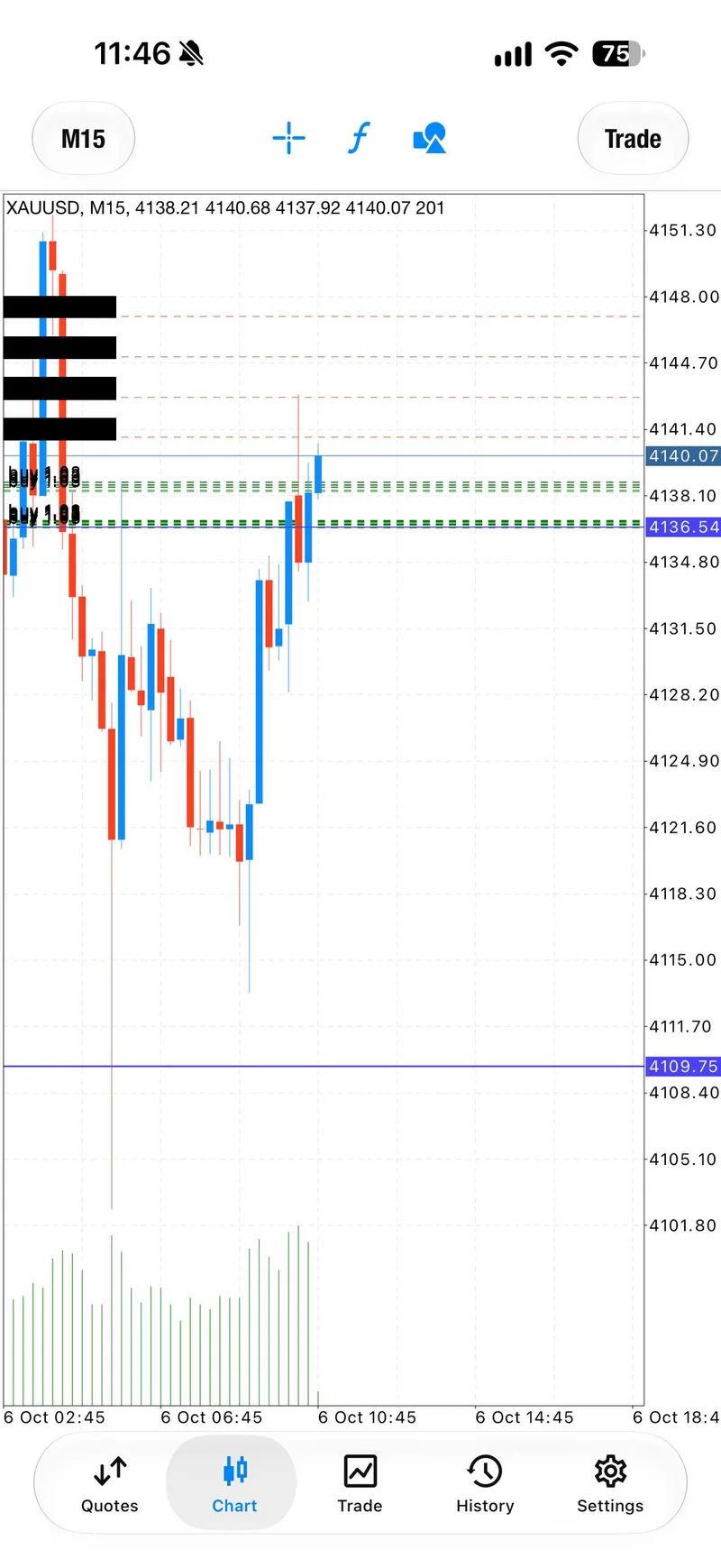
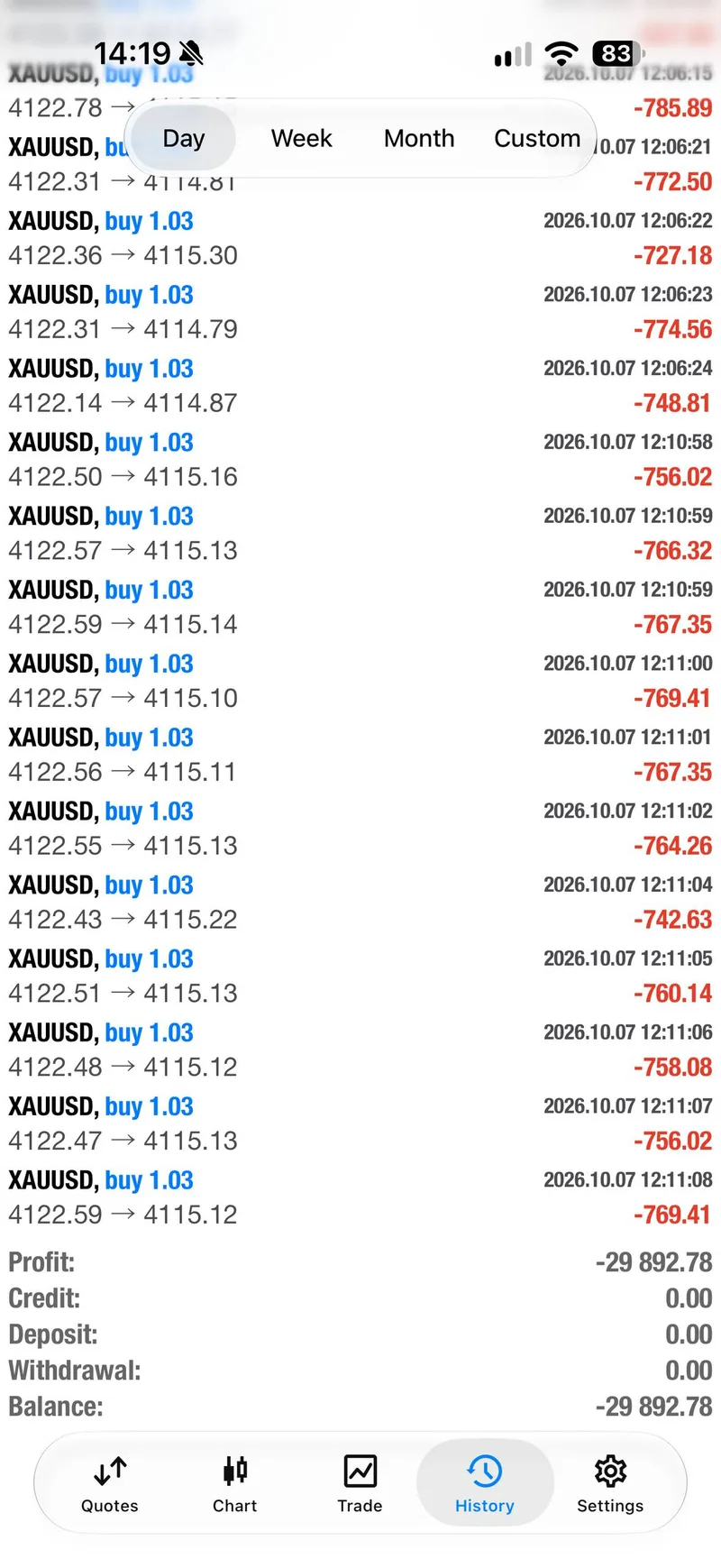
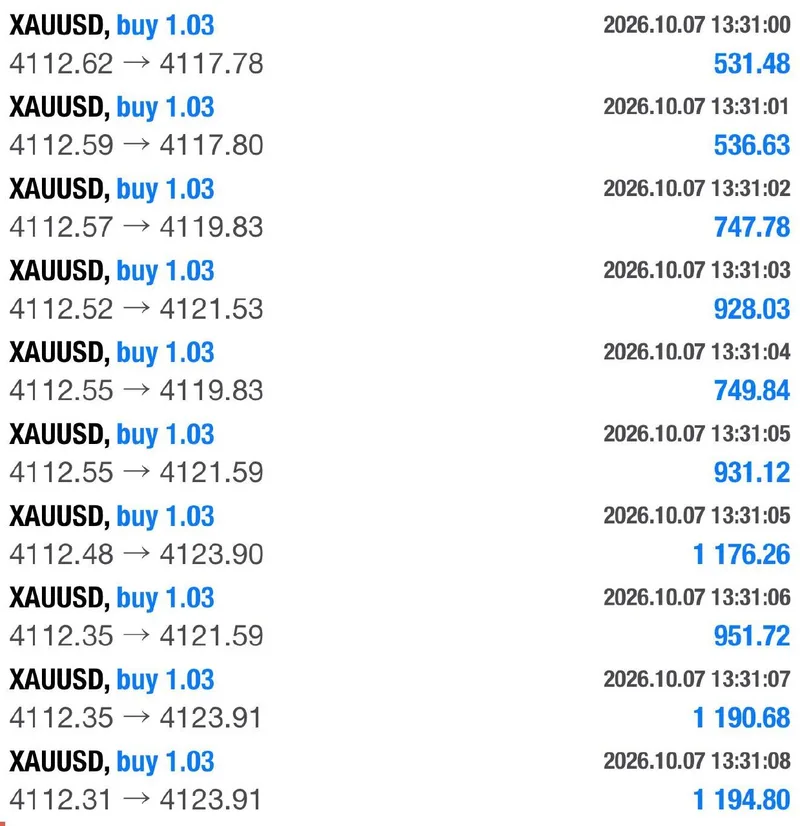
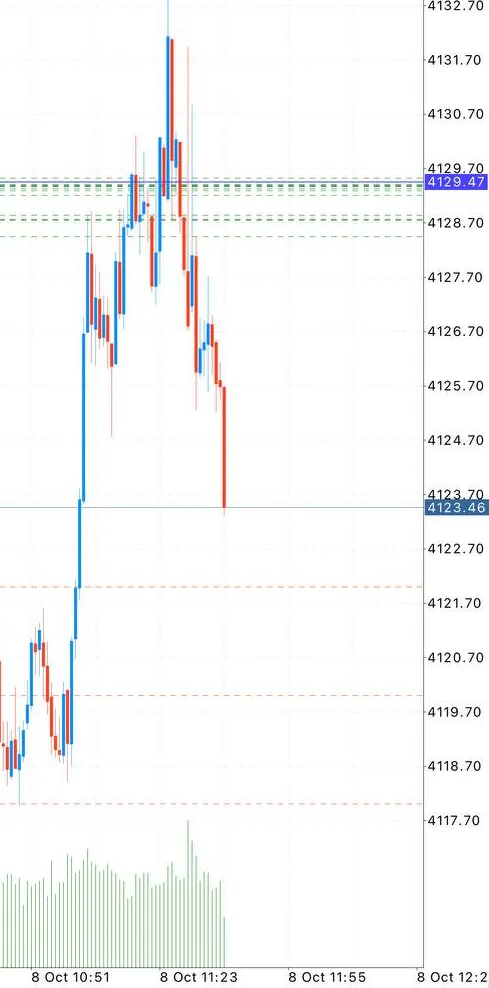
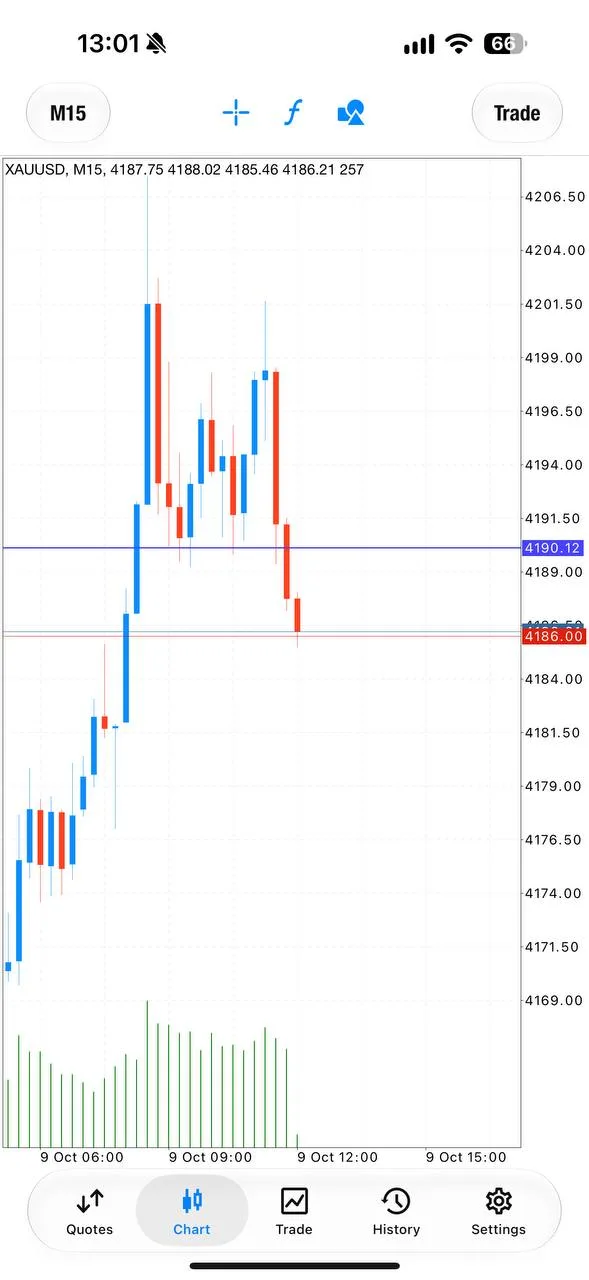
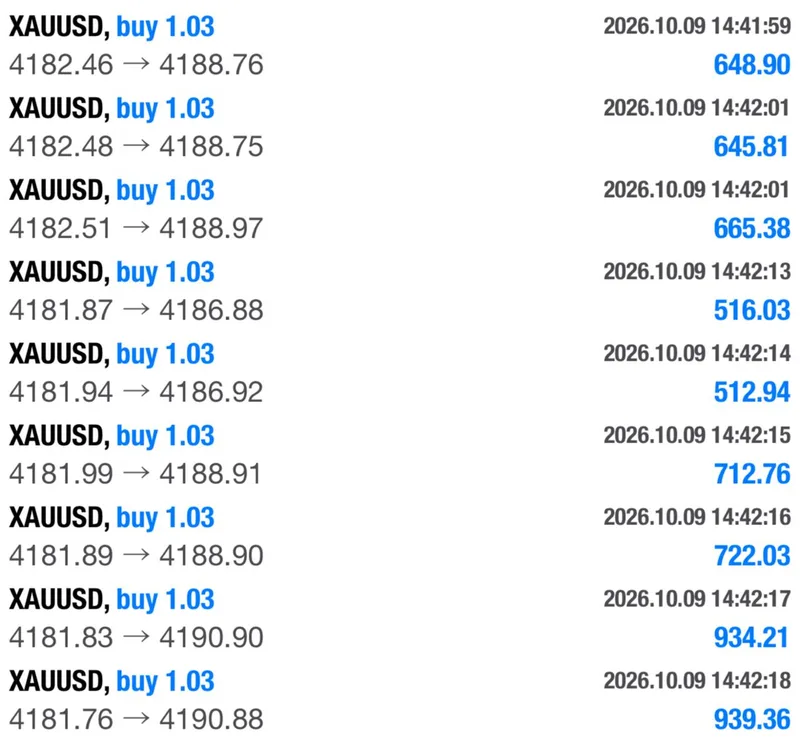
The best evidence is an outcome attached to its preceding decisions. Monday’s first five-stage buy included profit-taking and protection instructions, not merely a final celebratory label. Wednesday’s later four-target summary belongs after its acknowledged loss, not in place of it. Friday’s three-target finish belongs after the second buy’s fluctuating positions and exit.
For the final sequence, the links are especially useful: the three-target report replies to the all-positions-out update, which connects to the second buy setup. It is the reported finish of that trade story, not a third separately documented Friday setup or proof that every planned target was reached.
The gallery selects seven trade-context and outcome screenshots across all five sessions. Wednesday’s loss remains beside its rebound; Friday’s earlier loss context remains beside the three-target finish. Read the captions as part of the evidence. Open-position displays, trade-history images and a chart shared with a target update do not prove the same thing.
Five Sessions, One Developing Story#
Monday built confidence through progression. The October 5 five-target recap follows the first buy from its defined zone through target messages, profit-taking and a protection reset. The broader day also contained later management and different exits. The lesson is not that every buy worked equally well; it is that a reported result becomes more informative when the path to it stays visible.
Tuesday repeated the staged-exit rhythm. The October 6 report describes the morning buy and a later buy sequence, each with target updates and protection discussion. Its reported extensions are historical channel claims, not amounts to sum into a weekly account result. The later sequence’s existence in the recap also should not turn every delayed public update into a fresh public entry invitation.
Wednesday tested the recovery narrative. The loss-and-rebound recap records an early two-target buy, another buy that was cut after the loss limit was widened, and a renewed buy with four targets reported. “Recovery” describes that later rebound; it does not establish that the whole day finished positive.
Thursday rewarded taking less than the full plan. The October 8 sell recap follows one public setup. The initial alert and parameter post belong together. Mo widened the stop from 4,135 to 4,137, later asked followers to take partial profits, reported two targets and then reported breakeven on remaining entries. He explicitly told the public audience not to enter a later shared trade that was already at breakeven. That warning matters as much as the attractive result update.
Friday finished with a result, not just a reset. The October 9 blue-red recap starts with an unsuccessful buy, then follows explanation and waiting before the second setup. During that buy, Mo described positions turning blue and red repeatedly, gave followers discretion to take profits and later reported being out. The linked final update checked off three targets. Both the early loss and that finish are necessary to understand the day.
What Worked, What Failed, and Why#
Three useful distinctions emerged across the week.
Taking profits and protecting remaining entries were different decisions. Partial exits could realize part of a move while leaving other positions exposed. Moving protection toward entry changed the remaining trade’s risk, but did not eliminate spreads, fees or slippage. “Breakeven” was not a promise of a cost-free outcome.
Widening a stop was not the same as reducing risk. Wednesday’s troubled buy and Thursday’s sell allowed more adverse movement after their loss limits changed. At an unchanged position size, that increases the possible loss before the stop. Later profit-taking and protection should not erase that earlier exposure decision.
Waiting was useful because it preceded a new decision—not because waiting guaranteed a comeback. Friday’s analysis pause made the second buy easier to understand as a separate idea. The trade still fluctuated heavily. Its three reported targets do not make the first loss irrelevant or prove that repeating the process will recover the next loss.
For a reader assessing Mo’s judgment, the practical question is therefore not simply “How many targets?” Ask what changed after entry, whether the original loss limit held, when exposure was reduced, and what the final update actually said.
Community Proof and Trader Confidence#

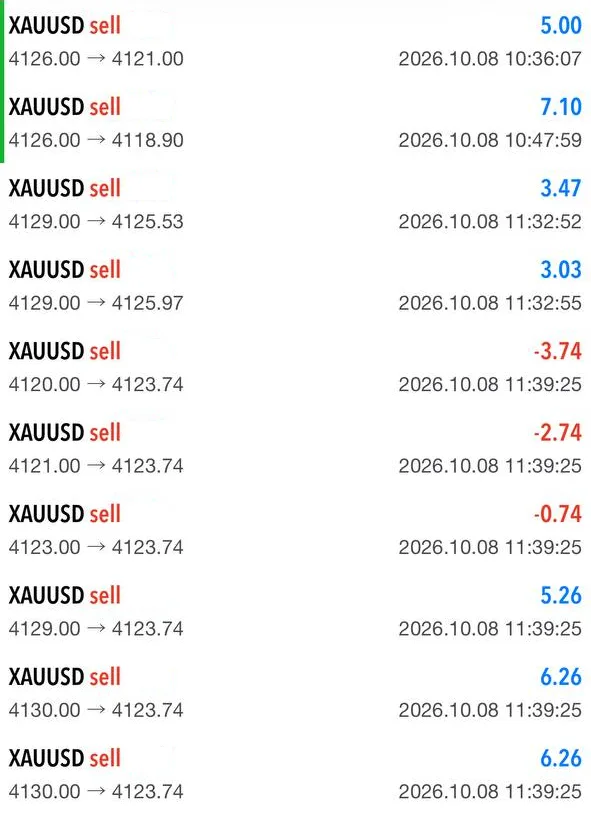
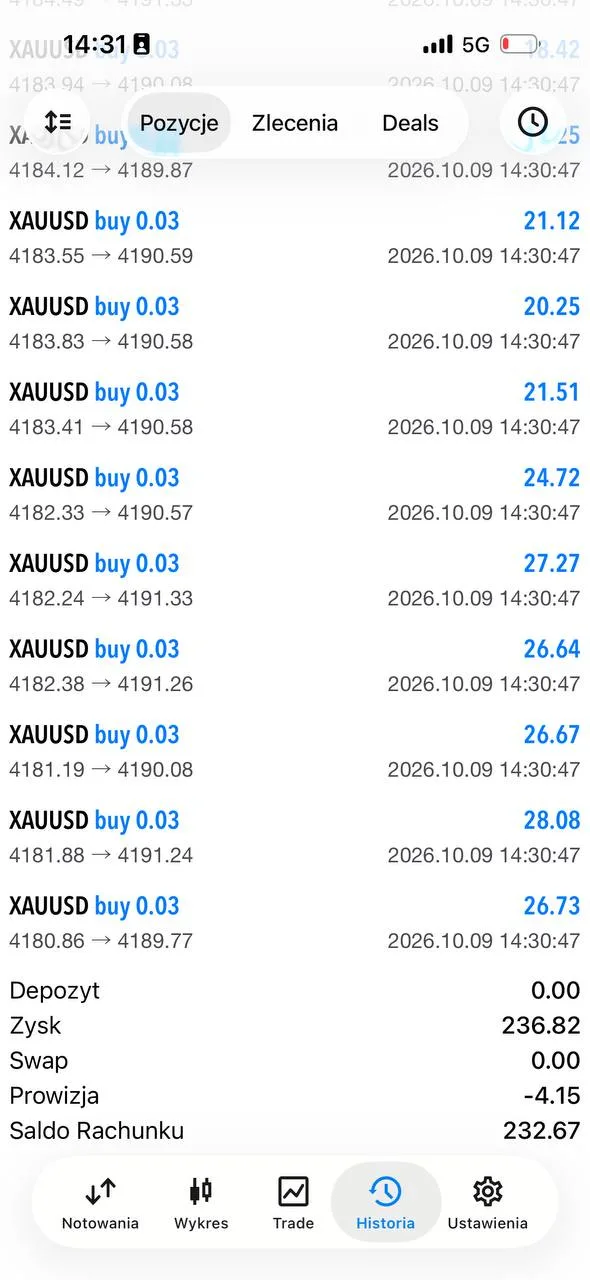
The member messages add a human view of the same pressure, but they do not speak for every account. The three selected community screenshots cover Wednesday’s early reaction, Thursday’s mixed gain-and-loss rows and Friday’s recovery comment.
Thursday’s member evidence is particularly important: it included losing entries alongside earlier gains. On Friday, one member reported recovery with good profit, while another said they had not fully recovered. Praise for the move and incomplete personal recovery can both be true.
That contrast is more useful than a wall of the biggest account numbers. It explains why entry timing, position size, partial exits and execution matter—and why a reported target is not a typical-return promise.
Key Levels and Scenarios for Next Week#
The past week’s indicative high near $4,208 and low near $4,066 are historical reference points, not validated fresh entry levels. Friday’s rebound brought price back toward the upper part of that range, but the next decision still needs current evidence.
If price revisits the upper reference and holds beyond it, the question is whether follow-through persists rather than immediately returning inside the range. If that attempt fails, the prior rebound alone is not a reason to keep adding buys. If the market returns toward the lower reference, reassess the structure and loss limit before assuming another bounce. These are observation questions, not forecasts with assigned probabilities or orders to place.
The execution lesson travels better than an old entry zone: decide what invalidates the idea, control size before entering, and read management messages as carefully as the original call. For future public updates and explanations, contact @GTMOBest for free gold signals and access support.
FAQ#
Did GTMO have a profitable week?#
The public updates contain target reports, losses and individual member results. They do not establish a complete, reconciled net weekly account return. The market’s approximately 1.24% Friday-to-Friday rise is a separate measure.
Were Friday’s three targets a new third trade?#
No. The final report connects through the exit message to the second buy. It describes the reported finish of that sequence, after the earlier loss and blue-red fluctuations.
Why include a loss screenshot in a weekly recap?#
Because the later rebound is incomplete without the setback and the risk decisions before it. Readers should be able to follow both, rather than infer an uninterrupted winning sequence.
Connect with Gold Trader Mo#
Use this weekly summary for the developing story, then open the linked Daily reports and public messages for the individual decisions. Compare it with the October 5–9 weekly gold forecast to distinguish the advance plan from the recorded outcome, or browse the weekly summaries archive for other completed weeks. Follow Gold Trader Mo for dated gold commentary, and message @GTMOBest for free gold signals and access support.
The cover is an editorial illustration of the week, not a real trading record. Gallery images are selected source screenshots, with the stated privacy edits where applicable.
Risk disclaimer: This article is educational commentary, not personalized financial advice or a live trade recommendation. Trading involves risk; capital can be lost. Reported targets, screenshots and member feedback are not independently audited account returns or guarantees of future performance. Position sizing, spreads, fees and slippage can materially change outcomes.